Post-Workout Hair Care: Expert Recovery Tips for Active Men
Oct 15,2025
You just had a killer workout; your muscles are crying, endorphins are flowing, and you feel like you could take over the world. But no one mentions this during those motivational sessions at the gym: you may be destroying your hair while you're working towards your dream body.
Throughout my experiences with professional athletes, bodybuilders, and weekend warriors alike they all have one complaint in common. They are fully bought into the process, and see their nutrition, supplementation, and training as being optimal for their body, but their hair is damaged, brittle, weak, and dull. Ironically, the process that is meant to promote health is destroying your scalp. If you're looking for ways to master your gym to date night styling, you first need to understand what's happening to your hair during exercise.
Your hair doesn't care about your fitness goals; it only knows that it is being bombarded with a chemical concoction up to 3-4 times per week that would make a lab technician cringe!
The Science Behind Sweat and Hair Damage
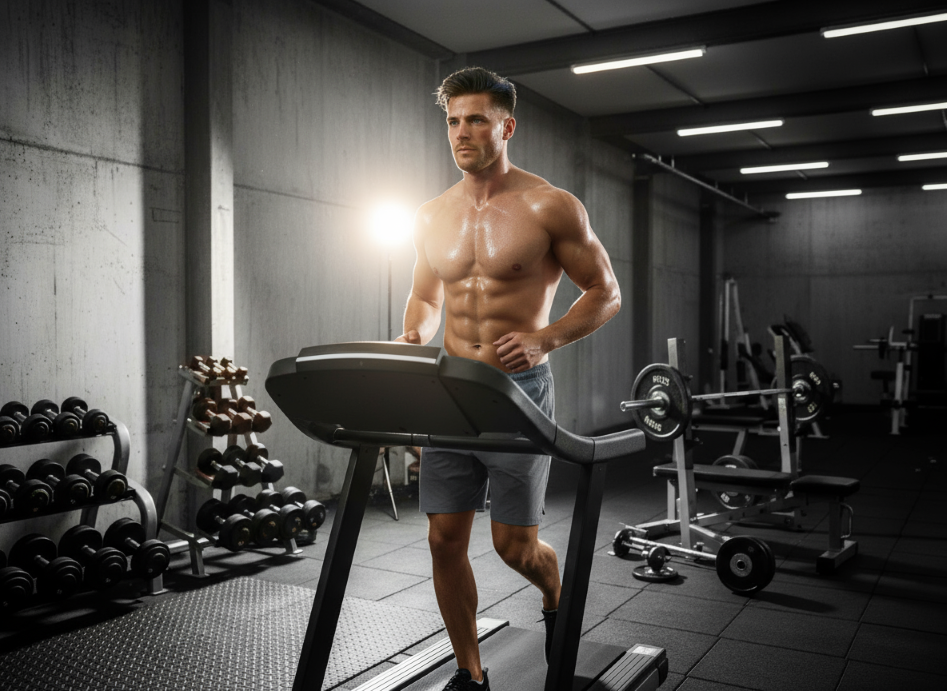
Sweat isn't just water streaming down your forehead. When you exercise your eccrine glands will secrete a combination of sweat that contains salt (sodium chloride), urea, ammonia, and lactic acid. Your sebaceous glands are also stimulated to increase your sebum production at the same time. This results in an acidic environment on your scalp with a pH decreased from our normal level of approximately 4.5-5.5 down to 4.0 or lower.
Now here is where it gets fun. The cuticle layer of your hair shaft, or overlapping scales covering and protecting the cortex of your hair, is very much like roof shingles. When the hair cuticle is exposed to acidic sweat with elevated scalp temperature during exercise, the cuticle scales will start to lift and separate from one another. This is called cuticle weathering, and what the scales do is open and expose the keratin proteins or protein structure underneath (the cortex). Imagine leaving your front door wide open to a storm. All those things that do not belong in your house come in. According to scalp buildup research from Healthline, this exposure can lead to significant hair follicle damage over time.
Your scalp is not meant to be itchy or clogged, which means that you did not clean your hair properly. Your hair should not feel stripped or like straw, which means that you washed your hair too much.
Similar to how you track results in the gym, you should track your results with your hair care—take pictures to track progress every month. Make a note of differences in texture, shine, and manageability over each month.
In a 2018 study published in the Journal of Cosmetic Science, the researchers found that hair exposed to salt water was shown to have a 25 percent decrease in tensile strength after the hair had only been exposed for 30 minutes. So, you are effectively pre-damaging your hair before you even get your shampoo and conditioner.
Why Hot Showers Wreck Your Hair
Then, you hurry home or stop at the gym shower and make an effort to wash all that workout/stress water from your body. Makes sense, right? Wrong.
The people who rinse off are most likely showering with water heated to between 105 and 120°F (40 and 49°C). Your hair's keratin proteins begin structural changes at a temperature that exceeds 95°F (35°C). Your "perfect" hot shower temperature is literally cooking the hair proteins, causing them to lose their moisture and elasticity.
That hot water can create significant disruption and open the hair cuticles even wider than they already are because the hair is already compromised before entering the shower.
Next, you put shampoo in your hair. Shampoo is a formulation, specifically created to remove oils from the hair and scalp using surfactants (which are cleaners), like sodium lauryl sulfate or sodium laureth sulfate. Surfactants are dual-faced and have two components, they have a lipophilic tail that binds to the sebum and oils on the scalp, and a hydrophilic head that suspends the oils, allowing them to be removed when the shampoo is washed out.
This may sound wonderful, until you realize your hair is made of oil, and much of that oil is necessary. Your sebum coats the hair shaft and creates waterproofing and flexibility. It consists of squalene, wax esters and triglycerides to maintain the integrity of the hair.
When you strip these oils aggressively more than a few times per week, your hair becomes porous and susceptible to hygral fatigue.
Hygral fatigue refers to the swelling and deswelling of the hair shaft due to absorbing moisture. Hair can absorb about 30% of its weight in water. Each cycle weakens the internal structure, similar to a balloon that is frequently inflated and deflated, which loses form and integrity. Understanding keratin hair treatments can help you make better decisions about restoring damaged hair.
For everyone that shampoos daily and trains 6 days out of a week, you experience that cycle annually over 300+ times. The damage adds up.
How Cortisol Affects Hair Growth
Proceeding with strenuous exercise elevates cortisol which is the primary stress hormone in the body. This is something to be expected, and totally normal when it is happening infrequently, and for a short duration. But on the other hand, if someone is frequently over-exercising or not recovering from intense exercise appropriately, this could functionally be too much cortisol and then cause disruption of the hair cycle.
Hair follicles go through 3 phases of activity: anagen (growth), catagen (transitional), telogen (resting and shedding phase). When cortisol levels are elevated, the anagen phase is shortened therefore there will be an increase in the number of hair follicles in telogen. Research from the National Institute on Aging on stress and hair growth confirms this connection between stress hormones and hair cycle disruption.
This condition is known as telogen effluvium, and visible shedding occurs 2-3 months after the event that caused the homeostasis imbalance. Healthline's guide to telogen effluvium explains this condition affects many active individuals who don't realize the connection between their training and hair loss.
I have witnessed committed athletes who unknowingly create a perfect storm for their hair: physical training, elevated cortisol levels, not accurately timing nutrition and protein synthesis, and frequent washing hair that strips the protective barriers at the same time. They also attribute it to genetics, when the fault lies in the recovery protocol.
Smart Post-Workout Hair Routine
The answer is not to stop working out. That is absurd. The solution is to develop a smarter plan that takes care of your hair while maintaining your hygienic routine.
The first thing to do is to modify your routine right after exercise. Instead of immediately grabbing a shampoo bottle, rinse your hair for a minimum of 2-3 minutes with water that is cool to lukewarm water (≈85°F/29°C). With this longer rinse, you will remove approximately 70% of the salt, urea, and debris from your hair with very little shampoo. Cooler water will also help minimize cuticle damage without being too cold.
By adjusting your routine this way, you can stop the arbitrary frequency of washing your hair everyday! The answer to how often you should wash your hair is really based on your individually natural hair type and activity level. If you're an active person, with fine and oily hair, you may choose to shampoo after each workout or even condition after a sweat session! Understanding your different hair types helps you create a personalized routine. In contrast, if you have thick, coarse, or textured hair, you may only need to shampoo every two to three workouts, then just rinse with warm water in the interim.
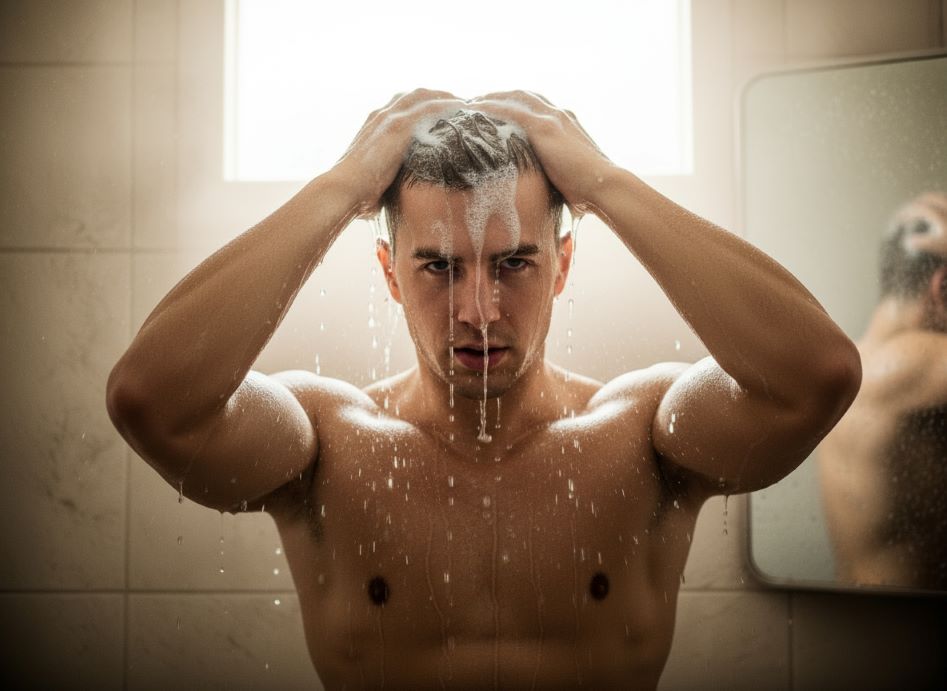
When you do decide to shampoo, just apply it to your scalp. Your scalp is where glands produce oils and collects sweat.
The shampoo runoff will clean the remaining hair. If you opt to wash your hair or have been advised to do so, the ideal shampoo is sulfate-free and contains a milder cleansing agent such as cocamidopropyl betaine or decyl glucoside to effectively cleanse while not over-stripping the hair.
Temperature management is more important than you think. You want to wash your hair with water that is warm without it being hot. You can also benefit from a cool-water rinse for the last 30 seconds of your wash. This can also be helpful in that it seals the cuticle layer on the hair, retains your shine, and reduces the overall porosity of your hair. The results can be seen immediately. For proper blow dryer techniques after your wash, make sure you're using heat properly.
Balancing Protein and Moisture
Your hair also consists of around 95% keratin protein. If you are consistent in training hard, your protein turnover in your body will be higher than usual, including the protein in your hair. If you are consuming enough protein (0.8-1.0 grams per pound of body weight) for increased muscle mass, then you are also supporting your hair health! However, do not forget about the impact of external protein treatments. After any sweaty or intense training period, plan to follow it with a protein treatment mask utilizing hydrolyzed keratin, wheat protein, or silk amino acids. These smaller, protein molecules are able to penetrate the hair shaft and temporarily fill gaps in areas of damage.
Do not overdo it. Overdoing protein will lead to excessively brittle and stiff hair. Alternate your protein treatments with moisture treatments utilizing glycerin, hyaluronic acid, or panthenol to provide moisture; these humectants attract and hold water in the hair shaft that provide flexibility. Learn more about maintaining proper protein balance in hair to avoid overload.
Your hair needs strength, as well, as well as flexibility. All strength, no elasticity equals breakage. All moisture, no structure equals weak, limp hair. The ratio all depends on the current condition of your hair; damaged hair needs protein, while dry hair needs moisture. Most active individuals will benefit from both treatments, but they must be alternate carefully.
Preventing Mechanical Hair Damage
Post workout, your hair is at its maximum vulnerability. Hair has absorbed water, the cuticles are raised, and the protein structure of the hair is temporarily weak. This is when most people make the worst mistake.
Towel drying wet hair roughly causes friction against the raised cuticles of the hair and literally tears them off. Those little ripping sounds? That is the cuticle of your hair being destroyed. Please use a microfiber towel or a soft cotton t-shirt to gently squeeze and blot your hair—never rub.
Brushing soaking wet hair is an even bigger nightmare. While wet, hair can stretch up to 50% more than dry hair, and that extension point is where breakage occurs. If detangling cannot be avoided, use a wide-toothed comb and start at the ends of the hair working toward the roots. Better yet, finger-comb while in the shower when the conditioner is still in the hair.
Heat styling right after working out? Now you are asking for disaster. Your hair is already depleted from the exercise, so adding heat styling tools that can be over 400 degrees with a flat iron or blow dryer is compounding the damage exponentially. Let your hair air-dry partially before adding any heat, and always apply a heat protectant spray with silicones or keratin-based ingredients in the protectant.
Protecting Hair from Chlorine and Hard Water
For swimmers, there is another layer of activity that also has ramifications for the hair. The chlorine (sodium hypochlorite) that is introduced to pools, often sits at a pH of 7.2-7.8—very alkaline compared to your hair's pH. The added alkalinity can exacerbate the raising of cuticles and oxidize and discolor any natural melanin in the hair, hence where the greenish color can come from in some light-colored hair.
Pre-soaking your hair with clean water before getting into a pool will reduce chlorine absorption up to 50-70% into your hair, in this case (hair absorbs water like a sponge); if your hair is pre-soaked with clean water first, it has less chlorinated water to absorb. Additionally, prior to getting in, it is wise to also apply a leave-in conditioner or hair oil to the hair as well to give your hair an added layer of protection. Consider using Da'Salt Water Spray for styling that works with your active lifestyle.
Hard water has high levels of calcium and magnesium ions present in the water that build up over time and block moisture from penetrating your hair. The same magnesium and calcium ions cause the hair to feel rough and look dull. Showering at different locations for workouts, such as home, gym, outdoor field or venue, can make constant hair care impossible, until the next workout.
A shower filter that removes chlorine and reduces hard water will cost about $30-50, but it is well worth it for the way it will improve the hair moment to moment, week to week. You will see a dramatic difference in two weeks.
Your hair recovery plan should be just as personalized as your training program. Someone who does light yoga three days a week has different requirements than a CrossFit athlete training twice a day. If you also maintain facial hair, incorporating a solid beard care routine into your post-workout regimen is equally important.
Be honest about how much damage you have. Look for and notice early signs: shedding that is unnecessary (more than 100 hairs per day typically counts as unnecessary), split ends, the roughness of texture, and loss of elasticity. Here is an easy elasticity test: as you are in the shower or having a wash, take one strand of hair and gently stretch it. Healthy hair will stretch 30-50% of its length before breaking. Damaged hair will either break off immediately or stretch too far and not return to its original shape.
Make a map of the weekly training program you mapped out and plan your hair washing accordingly. When training is high intensity for days, you need to wash your hair more thoroughly. On recovery/rest days, a quick rinse with water may be enough.
Your scalp shouldn't itch or feel clogged, which means that whatever you used to cleanse your hair was ineffective. Your hair should not feel stripped or feel like straw, which means that you cleansed too much.
Similar to how you track results in the gym, you should track your results with your hair care—take pictures to track progress every month. Make a note of differences in texture, shine, and manageability over each month.
Track Results and Adjust Your Routine
The athletes I have worked with who learn to balance both systems not only improve their hair but they gain confidence and overall improve their well-being. They stop looking at hair care as vanity and see it for what it is: one more component in achieving peak performance and taking care of themselves.
Your body is responding to your training; your hair should be responding to your care. Treat your body and hair with the same intelligent thoughtfulness they deserve. The person you are becoming and want to be—need to be—demands that all parts of you are working well—including what is growing from your scalp. Once you've mastered your recovery routine, check out how to perfect your hair wax application for styling that lasts through your active day.
Kommentar